start where it hurts.
Kelvin Grove Physiotherapy treats back and neck pain, sports injuries, post-operative rehabilitation, headaches and work-related strain, for people across Brisbane's inner north.
- No GP referral needed
- Health fund rebates on the spot
- AHPRA registered

Where does it hurt?
Pick the part that is bothering you. Each one says what it usually turns out to be and what the first appointment does about it.
Lower back
Back pain that arrived in one movement, and back pain that has been building for months. Both limit the same things: bending, lifting, and sitting through a shift without shifting around.
The first appointment works out what still moves freely, what does not, and what makes it worse, before anything is treated. That is what tells us whether this settles in three visits or needs a plan over several weeks.
Neck and shoulders
Stiffness, restricted movement and pain through the neck, upper back and shoulders. It usually builds over months at a desk or on the tools rather than arriving in one moment.
Hands-on treatment settles the guarded, restricted parts. What keeps it settled is the other half of the appointment: what you change between visits, which is why you leave with exercises rather than a booking for next week and nothing else.
Headaches
Headaches that start in the neck, sometimes called cervicogenic headaches. They often sit behind one eye or wrap from the base of the skull forward, and they get worse on a long day at a screen.
Assessment looks at the joints and muscles of the upper neck that refer pain into the head. If your headaches do not fit that pattern, we will say so and tell you who to see instead.
Hips, knees and ankles
Sprains, strains and the sporting injuries that come with them, from a rolled ankle at Wednesday touch to a knee that has stopped tolerating a run.
Early work is about calming the injured area and keeping the rest of you moving. After that it is a graded return to load, so the joint gets asked for a little more each week until it handles your actual sport again.
Arms, elbows and wrists
Repetitive strain and overuse from desk work, trades and manual jobs: forearms, elbows, wrists and the shoulder that has been compensating for all three.
The assessment looks at the load going through the arm across a whole day, not just the sore spot, because the sore spot is usually where a whole day's work ends up rather than where it starts.
Recovering from surgery? Post-operative rehabilitation is planned around your surgeon's guidance and timeline, whichever part of you it involves. And if what is bothering you is not on this list, ring and describe it. We will tell you honestly whether physiotherapy is the right place to start, and where to go if it is not.
Under an hour, and you leave with a plan.
Not knowing what happens in the room is the main reason people put off booking. So here is the whole appointment, in order and to scale, before you commit to any of it.
-
10 min
History
How it started, what makes it better or worse, and what you want to get back to doing. Questions, not forms.
-
15 min
Movement assessment
Watching how you move, testing strength and range, and the specific tests for the area causing trouble.
-
20 min
Hands-on treatment
Manual therapy matched to what the assessment found: soft-tissue work, joint mobilisation, or dry needling where it suits. Anything beyond straightforward hands-on work is explained first, and you can decline it.
-
10 min
Plan and exercises
What is likely going on, in plain terms, plus a home exercise plan and an honest view of how often you need to come back.
What to wear
Loose clothing or activewear that lets you move the area being assessed: shorts for a knee or hip, a singlet or sports top for a shoulder or back.
What to bring
Any referral or imaging you already have, though neither is required to book, a list of current medications, and your health fund card if you are claiming at the clinic.
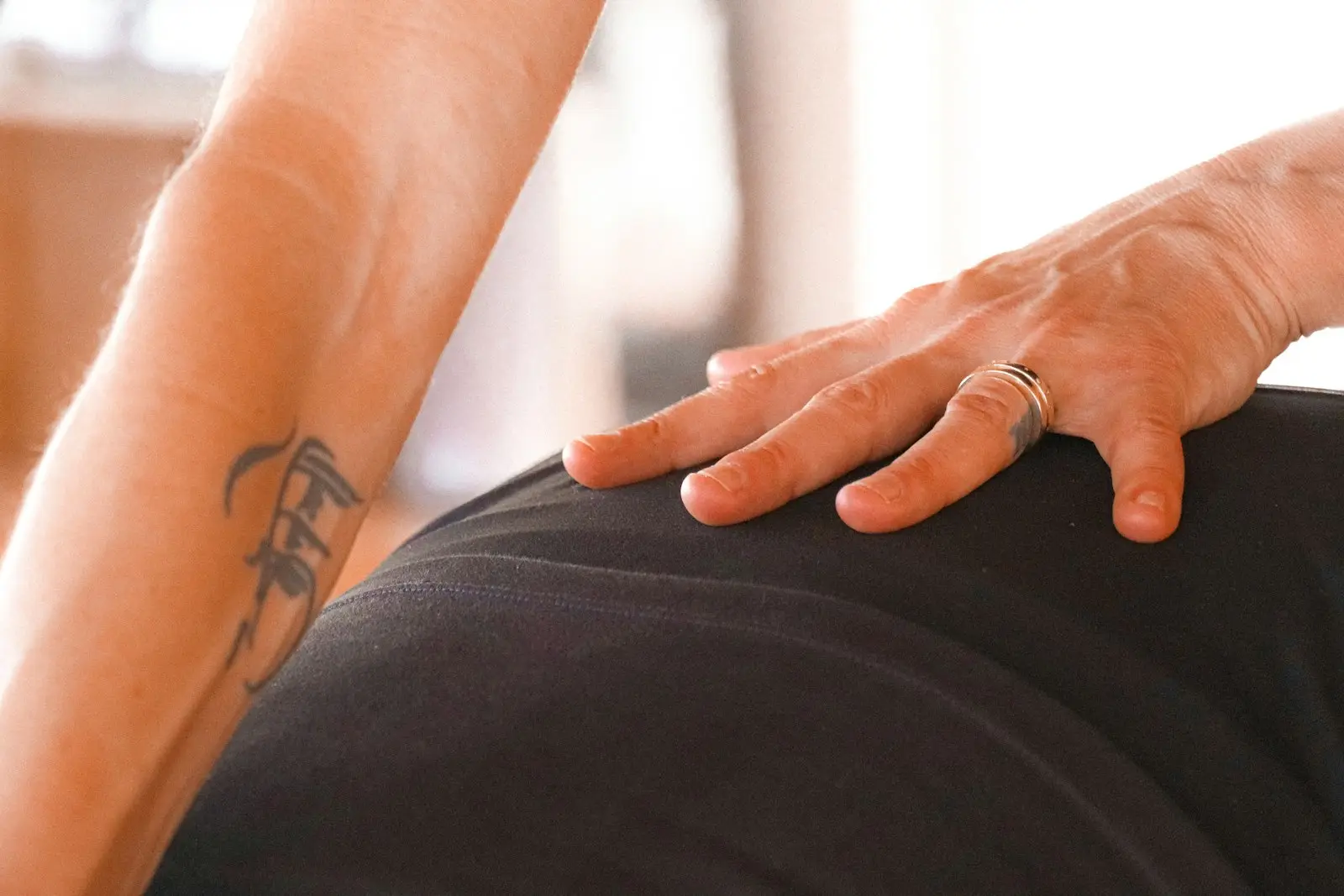
You will not find patient reviews here.
Registered health practitioners are not permitted to advertise a regulated health service using patient testimonials. Section 133 of the National Law says so, and it applies to a clinic's own website as much as to anywhere else.
Which means a glowing patient quote on a physiotherapy website is either not from a patient, or should not be on the page. We would rather tell you that than quietly work around it.
What sits here instead is the appointment itself, written out above in the order it happens and to the minute. Judge us on whether that sounds like care worth having, and then on the first fifty-five minutes if you book one.
Health Practitioner Regulation National Law, section 133.
Kelvin Grove, and the suburbs around it.
Based in Kelvin Grove and seeing patients from across Brisbane's inner north. Close enough to Herston, Red Hill and Newmarket that most people walk, ride or park nearby.
- Kelvin Grove
- Newmarket
- Wilston
- Windsor
- Herston
- Grange
- Alderley
- Ashgrove
- Red Hill
- Spring Hill
- Fortitude Valley
- Bowen Hills
Asked before booking, answered before you ring.
Do I need a GP referral to see a physiotherapist?
No. You can book a private physiotherapy appointment directly, without seeing a GP first. A referral only matters if you want to claim through Medicare under a GP-managed care plan, which is a separate pathway with its own rules and a limited number of visits each calendar year.
Can I claim on my health fund at the clinic?
Most private health funds with extras cover for physiotherapy can be claimed on the spot through HICAPS at the end of your appointment, so you pay the gap rather than the full fee upfront. Bring your health fund card, and it is worth checking your remaining extras limit with your fund beforehand.
Can I claim physiotherapy on Medicare?
Only in one circumstance. If your GP has assessed you as eligible for a Chronic Disease Management plan, Medicare pays a rebate for a limited number of allied health visits each calendar year, physiotherapy included. A standard private appointment booked directly with us is not claimable on Medicare, so ask your GP whether a plan applies to you.
What should I wear to my appointment?
Something loose, or activewear, that lets you move the area being assessed: shorts for a knee or hip, a singlet or sports top for a shoulder or back. You do not need to undress for an assessment, but flexible clothing means less of the appointment spent working around what you are wearing.
Will treatment hurt?
Some hands-on techniques, particularly around a tight or guarded muscle, feel firm or briefly uncomfortable. Treatment should not leave you in more pain afterwards than when you arrived. We check in with you during treatment and adjust pressure and technique based on how you are responding.
How many appointments will I need?
It depends on what is being treated, how long it has been going on, and how you respond to the first few sessions. Some things settle in two or three visits, others need a plan across several weeks. You get a realistic answer after the initial assessment rather than a fixed course of visits sold to you upfront.
Do you do dry needling?
Yes, where it suits the muscle or the area being treated. It is one technique among several rather than a default. What it involves and why it is being suggested are explained before it is used, and you can decline it at any point.
Do you treat children?
Yes. We see younger patients for sports injuries, growing pains and postural concerns, with the assessment and treatment adjusted for age. Tell us your child's age when you book so the appointment is the right length.
What conditions do you treat?
Low back pain, neck and shoulder pain, sports injuries, post-operative rehabilitation, headaches that come from the neck, and work-related strain such as repetitive strain from desk or manual work. If you are not sure whether your problem fits, call and describe it and we will tell you honestly whether physiotherapy is the right place to start.
How long is a first appointment?
Around 45 to 60 minutes, covering your history, a movement assessment, hands-on treatment where it is appropriate, and a home exercise plan to take away. Follow-up appointments are shorter, usually 30 to 45 minutes.
What should I bring to my first appointment?
Any referral letter or imaging you already have, though neither is required to book, a list of current medications, and your health fund card if you are claiming at the clinic. If you are coming through a GP care plan, bring that referral too.
Why are there no patient reviews on this website?
Because registered health practitioners are not permitted to advertise a regulated health service using patient testimonials, under section 133 of the National Law. Rather than work around that rule, we have written out exactly what an appointment involves so you can decide from the care itself.
Get a time in the book.
Send your details and we call back to lock in a time that works. If you would rather just talk to someone, the phone is quicker.
Monday to Friday, 7am to 6pm. Saturday morning, 8am to 12pm.
Booking request received
Nothing was actually sent, this form is a demonstration. On a live clinic site you would get a call back to confirm a time.